Case study narrative
Project narrative
More than 17,000 homes in Marion County are served by private septic systems. Septic systems have a limited life and eventually fail, seeping human waste into groundwater, backyards and neighborhood ditches and streams. To address health hazards in the neighborhoods, Citizens Energy Group is continuing the City of Indianapolis' efforts to convert many neighborhoods on septic systems to the sanitary sewer system.
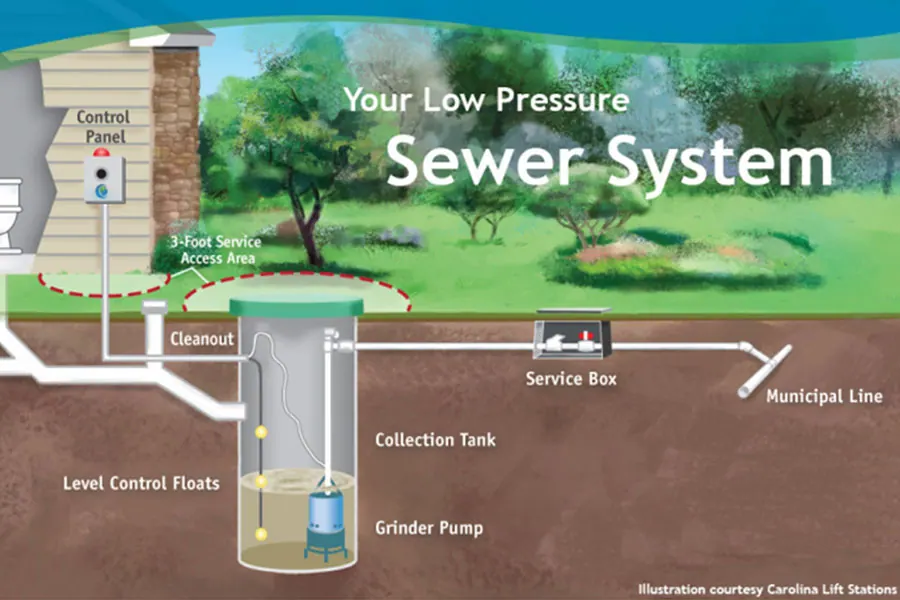
7NT is tasked with the design of Low-Pressure Systems (LPS) in these neighborhoods to capture sanitary flow and convey to interceptors. LPS require a pumping unit, such as a grinder pump, at each property, laterals, a control/alarm box on the house to alert the property owner of issues, and a valve pit.
7NT Project Managers are responsible for the integrity of the design along with ensuring schedule milestone assurance. As part of this project, the project manager also supports the client's effort to conduct community outreach.
Scope of work
Technical scope
Design scope
- GIS data integration
- Limited site survey and research to verify GIS right-of-way and easement locations, right-of-way widths, property corner locations, and existing critical sanitary sewer facilities
- Confirm general sewer alignments
- Identify changes to site conditions
- Identify and confirm potential utilities in the area
- Discuss constructability of proposed layout
- Perform QC review of hydraulic calculations and network sizing/layout
- Draft and final design/build plans for permitting and construction using up-to-date aerials as a background
- LPS alignment, sizing, stationing, discharge locations to existing sanitary sewers, existing utilities, floodway/plain, right-of-way, flushing assemblies, isolation valves, and air relief valves
- General location of grinder pumps, customer laterals, and drinking water wells
- Fracture Mitigation Contingency Plan
- Erosion control and Stormwater Pollution Prevention Plan
Construction engineering
- Provide stakes along the pre-established right-of-way to be referenced during construction
- Verify or determine horizontal locations of existing sanitary facilities where work will connect
- Ascertain utility conflicts
- Submit marked-up prints showing sanitary facilities installed during construction and a record drawing digital GIS data set
Quality control
- Performing and managing customer outreach and communication/sign-off
- Assist in keeping daily records of as-built locations
- Coordination between contractor and homeowners